Physical Blast Protection Barriers (Blast Walls / Blast Fences)
Date: 2026-04-22 Categories: News Hits: 244
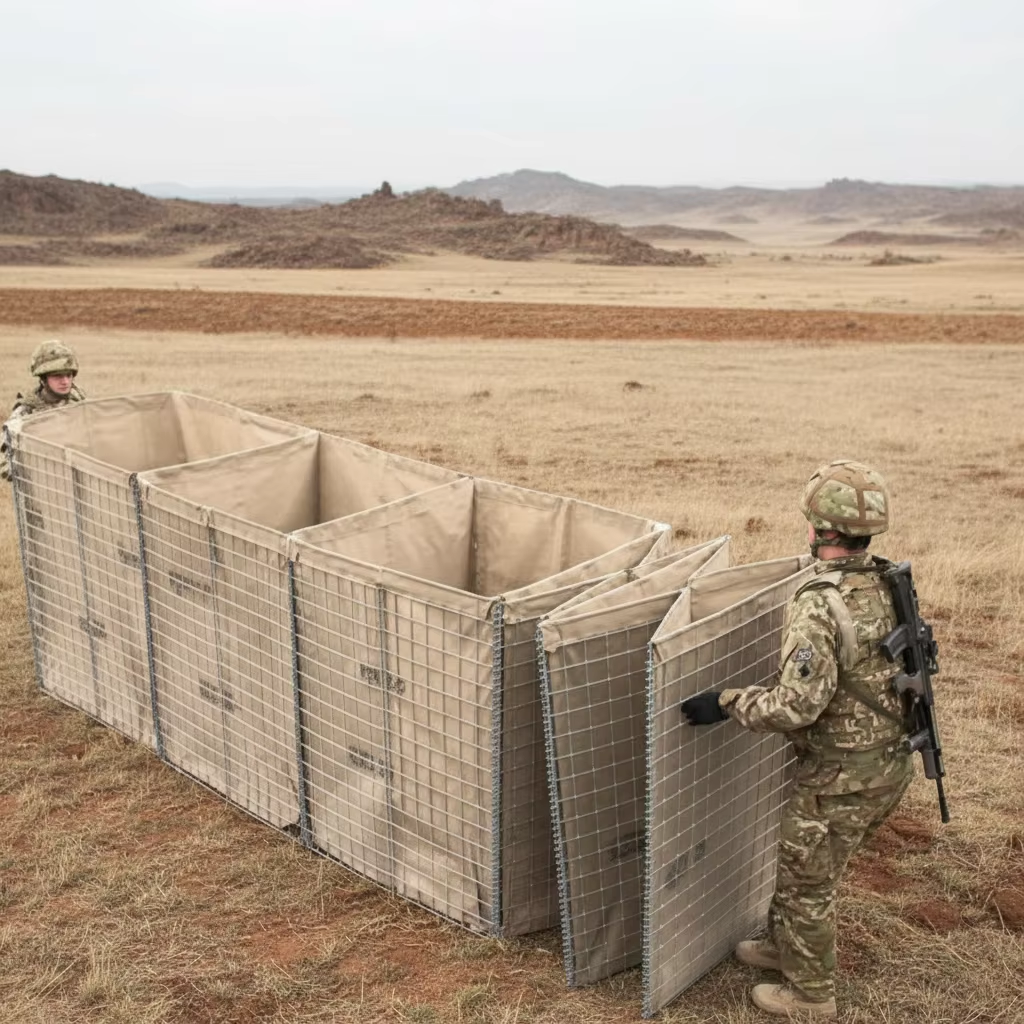
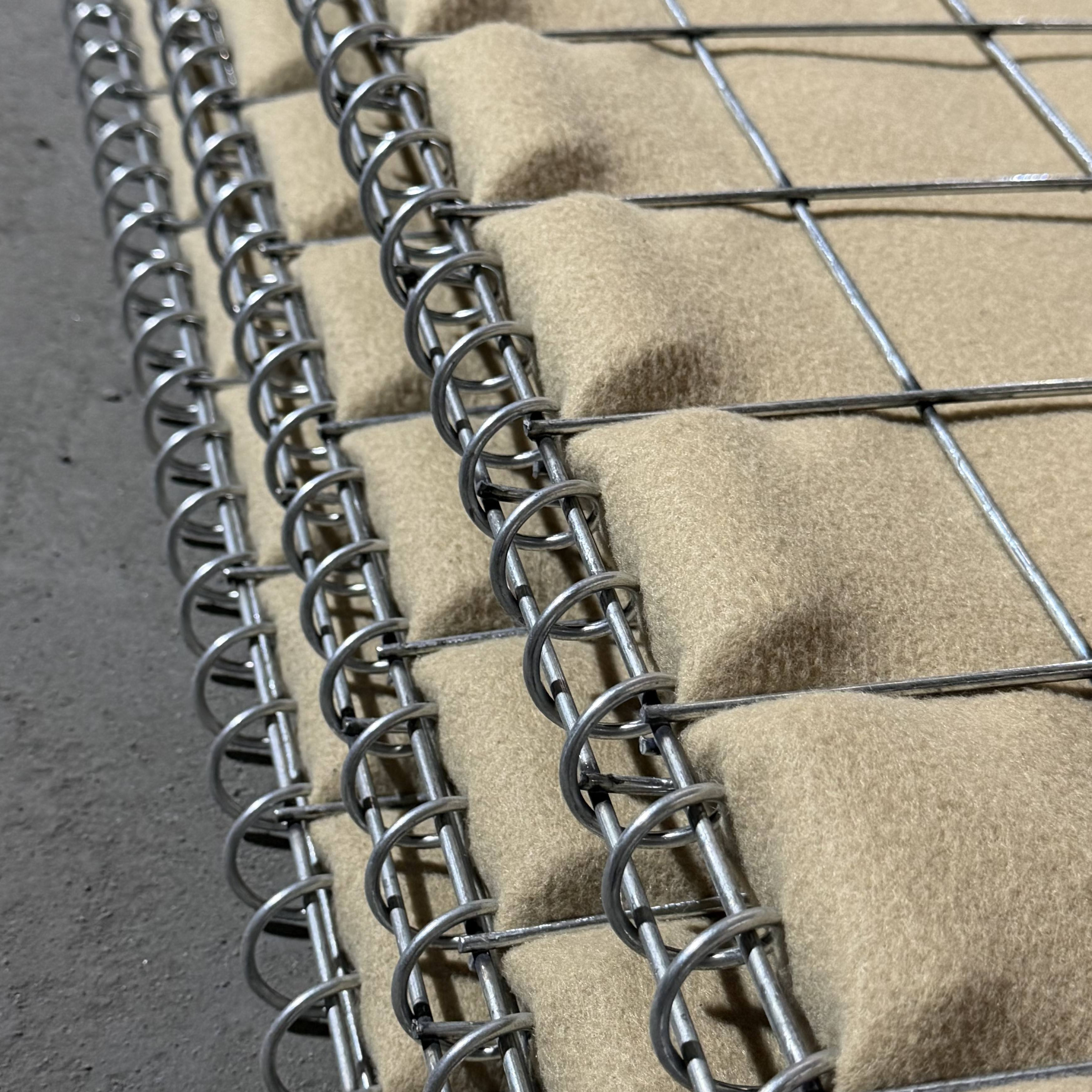
These blast protection barriers are typically constructed from welded low-carbon or galvanized steel wire mesh, filled internally with materials such as stones or sand to form a protective wall capable of absorbing energy and blocking impacts.
Military and Defense Sector (Core Applications)
Temporary Bunkers and Fortifications: During military exercises or actual combat operations, these units can be rapidly assembled to form blast walls, serving to defend against explosive shockwaves and small-arms fire, thereby protecting personnel and equipment.
Firing Range Protection: When combined with shipping containers, they serve as frontal or lateral protective barriers at firing ranges, preventing accidental injury from stray bullets and mitigating the impact of car bombs.
Border and Outpost Security: Used to construct temporary blast-resistant buffer zones.
Engineering and Civil Sector
Flood Control and Slope Stabilization: Leveraging their excellent permeability, these barriers are utilized in river management, coastal protection, and the renovation of reservoirs and canals to prevent soil erosion and mitigate flood impact.
Slope Reinforcement: Employed to reinforce slopes along highways and within tourist attractions, preventing rockfalls and landslides.
Blast Containment: Used to construct containment walls in specific high-risk zones (such as the perimeters of chemical industrial parks) to limit the radius of explosive damage.